
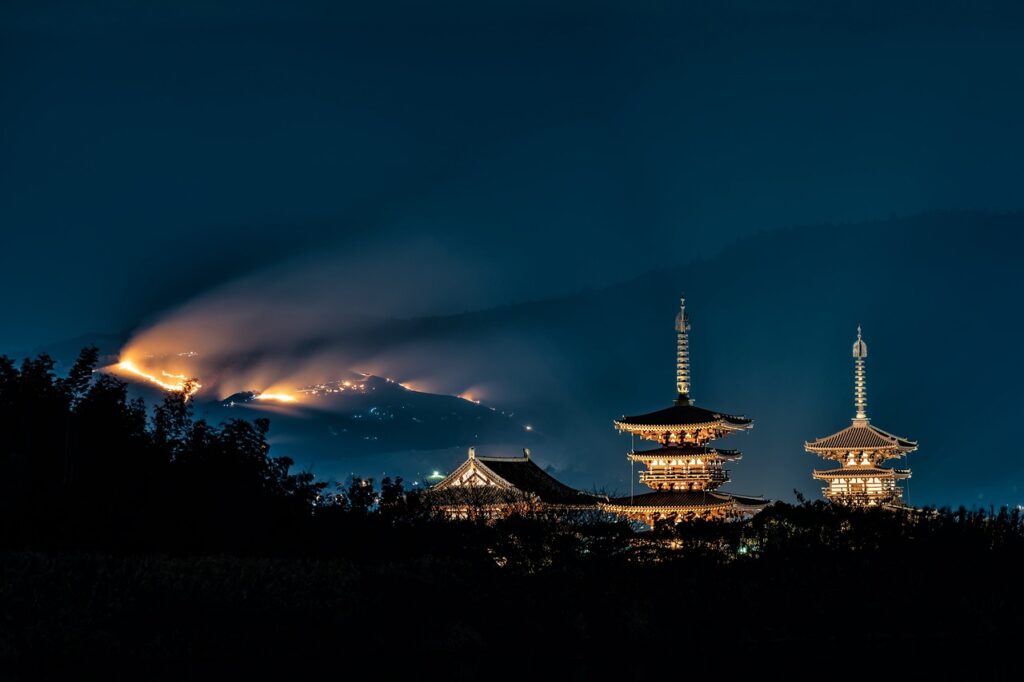
Japan, an island nation in East Asia, has a rich and diverse history spanning thousands of years. Japan’s history dates back to prehistoric times, with evidence of human habitation dating back to the Paleolithic period (around 30,000 BC). The Jomon period (14,000–300 BC) saw the development of pottery and early agricultural practices. Yayoi Period: Following the Jomon period, Japan entered the Yayoi period (300 BC – 300 AD), characterized by the introduction of rice cultivation, metalworking, and the use of bronze and iron. Influence of China and Korea: From around the 3rd century AD, Japan began to have significant cultural and political interaction with China and Korea, leading to the adoption of Buddhism, Confucianism, and the Chinese writing system. The Heian Period (794–1185): This era is known for its flourishing arts and literature, including the world’s first novel, “The Tale of Genji” by Murasaki Shikibu. The Heian period also saw the establishment of the imperial capital in Kyoto. Feudal Period: Japan entered a long period of feudalism from the late 12th century, characterized by the rise of the samurai warrior class and the dominance of powerful feudal lords known as daimyo.
Tokugawa Shogunate (1603–1868): Under the Tokugawa shoguns, Japan experienced a long period of relative stability and isolation from the outside world. The country was ruled by a military government based in Edo (modern-day Tokyo). Meiji Restoration (1868): The Meiji Restoration marked the end of the Tokugawa shogunate and the restoration of imperial rule under Emperor Meiji. Japan underwent rapid modernization and industrialization, transforming into a modern nation-state. Imperial Expansion: In the late 19th and early 20th centuries, Japan pursued a policy of imperial expansion, annexing territories such as Taiwan and Korea and engaging in military conflicts with China and Russia. World War II: Japan’s involvement in World War II, particularly its attack on Pearl Harbor in 1941, led to its defeat by the Allied powers in 1945. The country experienced significant devastation, including the atomic bombings of Hiroshima and Nagasaki. Post-War Reconstruction: Following World War II, Japan underwent a period of reconstruction and rapid economic growth, becoming one of the world’s leading industrialized nations by the latter half of the 20th century. Contemporary Japan: Today, Japan is known for its highly developed economy, advanced technology, and rich cultural heritage. It remains a constitutional monarchy with Emperor Naruhito as the symbolic head of state and a parliamentary system of government. Cultural Contributions: Japan has made significant contributions to world culture, including its cuisine (such as sushi and ramen), traditional arts (like tea ceremony and ikebana), literature, cinema (with renowned directors like Akira Kurosawa), and popular culture (including anime, manga, and video games). Natural Beauty: Japan is renowned for its natural beauty, including cherry blossoms in spring, colorful autumn foliage, serene gardens, and picturesque landscapes featuring mountains, forests, and coastline.
Japan is home to numerous important places, both culturally and historically. Here are some significant ones along with their locations within Japan’s administrative divisions: Tokyo: The capital city of Japan, located on the eastern coast of Honshu, the largest island in Japan. Tokyo is the political, economic, and cultural center of the country. It is divided into 23 special wards, along with cities, towns, and villages in the Tokyo Metropolis. Kyoto: A city located in the Kansai region of Honshu, known for its historical significance as the former imperial capital of Japan. Kyoto is famous for its numerous temples, shrines, and traditional Japanese architecture. Osaka: Another major city in the Kansai region, located on the southern coast of Honshu. Osaka is a bustling commercial and economic hub known for its vibrant nightlife, delicious street food, and historical landmarks. Hiroshima: Located on the western part of Honshu, Hiroshima is known worldwide for being the target of the atomic bombing during World War II. The city has since been rebuilt and is now a symbol of peace and reconciliation. Nara: A city in the Kansai region, Nara was the first permanent capital of Japan. It is known for its ancient temples, including Todai-ji with its giant Buddha statue, and tame deer that roam freely in Nara Park. Yokohama: Situated south of Tokyo in Kanagawa Prefecture, Yokohama is Japan’s second-largest city and a major port. It is known for its cosmopolitan atmosphere, waterfront attractions, and the iconic Yokohama Landmark Tower. Sapporo: The largest city on the northern island of Hokkaido, Sapporo is famous for its annual Snow Festival and its beer, which shares the city’s name. It is a popular destination for skiing and snowboarding in the winter.
Administrative Divisions: Japan is divided into several administrative divisions, including: Prefectures: Japan is divided into 47 prefectures, each governed by a governor and assembly. These include Tokyo Metropolis, which is a special prefecture with a unique administrative status. Regions: Japan is traditionally divided into eight regions: Hokkaido, Tohoku, Kanto, Chubu, Kansai, Chugoku, Shikoku, and Kyushu. These regions consist of multiple prefectures and serve as cultural and geographic divisions within the country. The important places mentioned above are located within various prefectures and regions across Japan, contributing to the country’s cultural, historical, and economic significance.
All eight regions of Japan offer unique and significant tourist attractions, each showcasing the country’s diverse culture, history, and natural beauty. However, some regions are particularly well-known for their tourist destinations. Here’s a brief overview of each region and some of its important tourist attractions:
Hokkaido: Known for its stunning landscapes, outdoor activities, and delicious seafood. Tourist attractions include Sapporo (its capital city), the ski resorts of Niseko and Furano, the beautiful Shikotsu-Toya National Park, and the Shiretoko Peninsula, a UNESCO World Heritage Site.
Tohoku: Famous for its traditional culture, hot springs, and scenic beauty. Tourist attractions include Matsushima Bay with its picturesque islands, the historic city of Sendai, the Aomori Nebuta Festival, the scenic Oirase Gorge, and the Towada-Hachimantai National Park.
Kanto: Home to Tokyo, Japan’s bustling capital city, and various other tourist destinations. Attractions include Tokyo Disneyland and Tokyo DisneySea, the historic temples of Nikko, the hot springs of Hakone, the bustling city of Yokohama, and the sacred Mount Fuji.
Chubu: Known for its mountainous landscapes, historic sites, and outdoor activities. Tourist attractions include the Japanese Alps, the historic city of Nagoya, the UNESCO-listed Shirakawa-go village, the scenic Tateyama Kurobe Alpine Route, and the Ise Grand Shrine, one of Japan’s most sacred Shinto shrines.
Kansai: Home to cultural landmarks, ancient cities, and delicious cuisine. Attractions include the historic city of Kyoto with its numerous temples and shrines, the vibrant city of Osaka known for its food and nightlife, Nara’s ancient temples and friendly deer, and the scenic views of Mount Koya.
Chugoku: Known for its historic castles, coastal landscapes, and cultural heritage. Tourist attractions include Hiroshima’s Peace Memorial Park, the iconic Itsukushima Shrine on Miyajima Island, the historic city of Okayama with its beautiful Korakuen Garden, and the picturesque coastline of the San’in region.
Shikoku: Famous for its pilgrimage routes, scenic landscapes, and traditional culture. Tourist attractions include the 88 Temple Pilgrimage, the historic city of Matsuyama with its castle and hot springs, the scenic Iya Valley, and the Naruto Whirlpools in the Naruto Strait.
Kyushu: Known for its volcanic landscapes, hot springs, and historic sites. Tourist attractions include the active volcano Mount Aso, the hot spring resorts of Beppu and Yufuin, the historic city of Fukuoka, the scenic coastline of the Kyushu Coastal Area, and the historic town of Nagasaki.
Determining the “best” hotels in Japan can be subjective and dependent on factors such as personal preferences, budget, location, amenities, and the purpose of the visit (e.g., leisure, business, etc.). However, Japan is known for its exceptional hospitality and a wide range of accommodations, from traditional ryokans to luxury hotels. Here are some renowned hotels across different categories: Luxury Hotels: Aman Tokyo (Tokyo): Located in the prestigious Otemachi district, offering panoramic views of the city skyline. The Ritz-Carlton Tokyo (Tokyo): Situated in the upscale Roppongi area, known for its elegant rooms and impeccable service. Four Seasons Hotel Kyoto (Kyoto): Set amid tranquil gardens in the historic Higashiyama district, offering luxury accommodations with traditional Japanese elements. Park Hyatt Tokyo (Tokyo): Famous for its stunning views of the city and featured prominently in the movie “Lost in Translation.” Traditional Ryokans: Gora Kadan (Hakone): A luxurious ryokan nestled in the scenic Hakone mountains, offering hot spring baths and kaiseki cuisine. Hiiragiya Ryokan (Kyoto): Established in 1818, known for its traditional architecture, impeccable service, and serene atmosphere. Tawaraya Ryokan (Kyoto): A historic ryokan dating back to the Edo period, renowned for its hospitality and authentic Japanese experience. Boutique Hotels: Claska (Tokyo): A stylish boutique hotel in the vibrant Meguro district, featuring unique rooms designed by local artists. Trunk Hotel (Tokyo): Located in the trendy Shibuya neighborhood, known for its modern design, eco-friendly initiatives, and rooftop garden. Wired Hotel Asakusa (Tokyo): A contemporary hotel blending Japanese aesthetics with modern amenities, situated in the historic Asakusa district. Business Hotels: Hotel Metropolitan Tokyo Marunouchi (Tokyo): A business hotel conveniently located in Tokyo’s central business district, offering comfortable rooms and comprehensive business facilities. Daiwa Roynet Hotel Kyoto Ekimae (Kyoto): Situated near Kyoto Station, ideal for business travelers with its convenient location and modern amenities. Resort Hotels: Hoshinoya Fuji (Yamanashi): A unique resort hotel overlooking Lake Kawaguchi and Mount Fuji, offering luxurious glamping experiences. Shangri-La Hotel, Okinawa (Okinawa): Set on a private beach in Okinawa, known for its upscale accommodations and stunning ocean views. These are just a few examples of notable hotels in Japan across different categories. It’s essential to research and consider factors such as location, amenities, and reviews to find the best hotel that suits your preferences and needs.
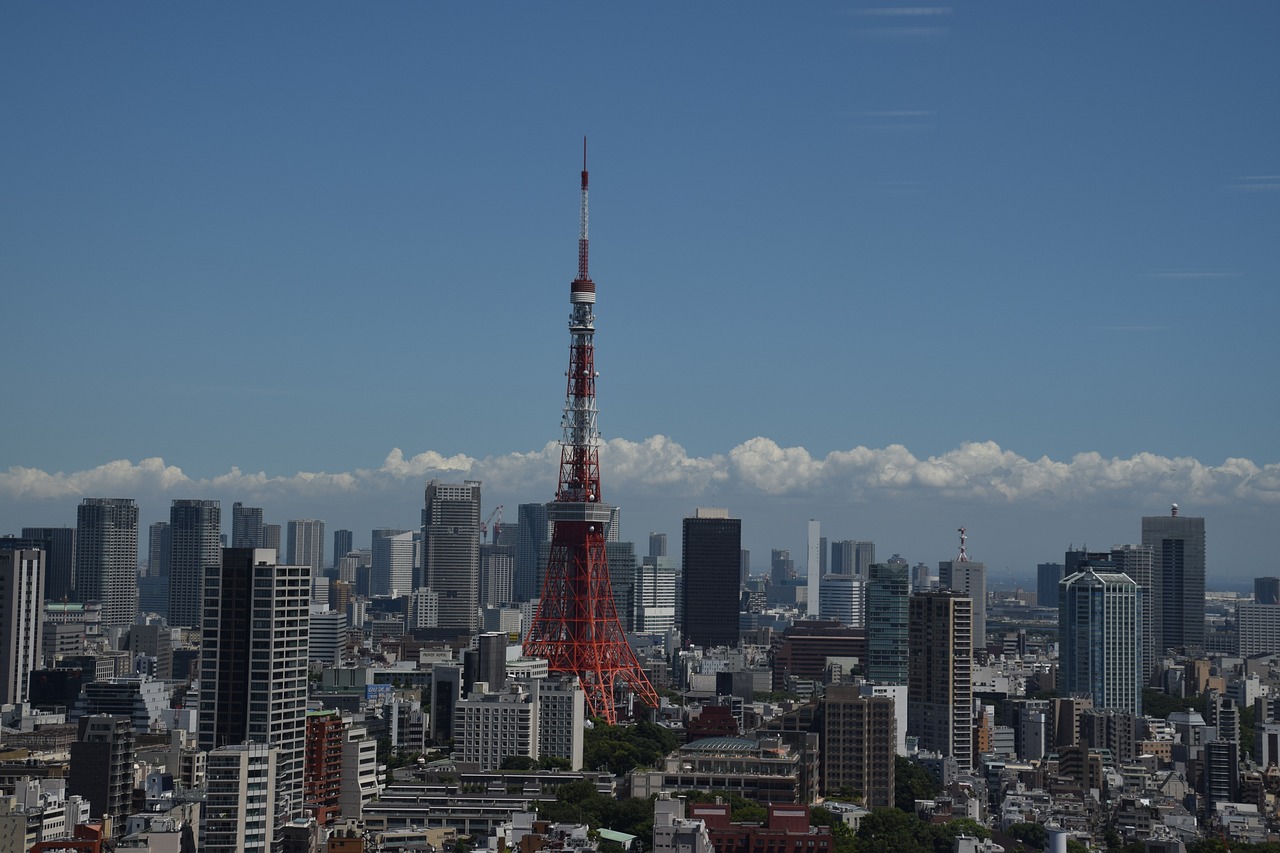
Tokyo, being a bustling metropolis and one of the world’s most visited cities, boasts numerous exceptional hotels catering to various tastes and preferences. Here are some of the best hotels in Tokyo: Park Hyatt Tokyo: Famous for its role in the movie “Lost in Translation,” this luxury hotel offers stunning views of the city skyline from its location in Shinjuku’s skyscraper district. It features elegant rooms, world-class dining options, a tranquil spa, and impeccable service. The Peninsula Tokyo: Situated in the prestigious Marunouchi district near the Imperial Palace, The Peninsula Tokyo offers luxurious accommodations, fine dining restaurants, a spa, and panoramic views of the city. Aman Tokyo: Located in the upscale Otemachi district, Aman Tokyo is renowned for its minimalist design, spacious rooms, serene ambiance, and panoramic views of Tokyo’s skyline. It offers a tranquil escape amidst the bustling city. The Ritz-Carlton Tokyo: Perched atop the Midtown Tower in Roppongi, The Ritz-Carlton Tokyo offers luxurious accommodations, Michelin-starred dining, a spa, and breathtaking views of Tokyo Tower and the city skyline. Four Seasons Hotel Tokyo at Marunouchi: Situated in the heart of Tokyo’s financial district, this luxury hotel offers elegant rooms, personalized service, fine dining options, and easy access to attractions such as Tokyo Station and the Imperial Palace. Mandarin Oriental Tokyo: Located in the Nihonbashi area, Mandarin Oriental Tokyo offers luxurious accommodations with contemporary Japanese design, Michelin-starred dining, a spa, and panoramic views of the city from its high-rise location. The Tokyo Station Hotel: Housed within Tokyo Station, this historic hotel offers a blend of classic elegance and modern amenities. It provides easy access to transportation, luxurious rooms, fine dining, and impeccable service. Andaz Tokyo Toranomon Hills: Situated in the Toranomon Hills skyscraper, Andaz Tokyo offers stylish accommodations, vibrant design, innovative dining options, a rooftop bar with panoramic views, and a luxurious spa. Hotel Okura Tokyo: A Tokyo landmark known for its distinctive architecture and Japanese hospitality, Hotel Okura Tokyo offers elegant accommodations, traditional tea ceremonies, fine dining restaurants, and a tranquil garden oasis in the heart of the city. The Prince Gallery Tokyo Kioicho, a Luxury Collection Hotel: Located in the Akasaka area, this luxury hotel offers sophisticated accommodations, modern design, fine dining options, and stunning views of Tokyo’s skyline from its high-rise location. These are just a few examples of the best hotels in Tokyo, offering luxury, comfort, and world-class amenities to visitors from around the globe.
Choosing the best place to stay in Tokyo as a tourist depends on your preferences, interests, and budget. However, some areas stand out for their convenience, accessibility to attractions, and unique experiences. Here are a few popular options: Shinjuku: Known for its vibrant atmosphere, shopping, dining, and nightlife, Shinjuku is a popular choice for tourists. It’s home to major attractions like Shinjuku Gyoen National Garden, Tokyo Metropolitan Government Building for panoramic views, Kabukicho entertainment district, and upscale department stores. Shinjuku also offers excellent transportation connections, including Shinjuku Station, one of the busiest train stations in the world. Shibuya: Famous for its bustling pedestrian scramble crossing, Shibuya is a dynamic neighborhood filled with trendy shops, cafes, restaurants, and nightlife. It’s a hub for youth culture and fashion, with attractions like Hachiko Statue, Shibuya Center Street, and the Shibuya Sky observation deck. Shibuya Station provides easy access to other parts of Tokyo. Asakusa: Known for its historic charm and cultural attractions, Asakusa is home to Senso-ji Temple, Tokyo’s oldest Buddhist temple, and the bustling Nakamise Shopping Street. Visitors can experience traditional Japanese culture, attend rickshaw rides, and enjoy river cruises along the Sumida River. Asakusa offers a more laid-back atmosphere compared to Shinjuku or Shibuya. Ginza: Renowned as Tokyo’s upscale shopping district, Ginza boasts luxury boutiques, department stores, art galleries, and gourmet dining establishments. It’s also home to historic landmarks like Kabuki-za Theater and the famous Ginza Wako Clock Tower. Ginza offers a sophisticated atmosphere and is well-connected to transportation networks. Roppongi: Known for its vibrant nightlife, entertainment venues, and international cuisine, Roppongi is popular among tourists seeking a lively atmosphere. It’s home to Roppongi Hills and Tokyo Midtown, two upscale complexes with shopping, dining, and art galleries. Roppongi also offers a range of clubs, bars, and lounges for evening entertainment. Ultimately, the best place to stay in Tokyo depends on your interests and what you want to experience during your visit. Whether you prefer the bustling energy of Shinjuku, the trendy vibes of Shibuya, the traditional charm of Asakusa, the upscale atmosphere of Ginza, or the nightlife scene of Roppongi, Tokyo offers something for every type of traveler.
Tokyo offers a diverse culinary scene, including a variety of excellent Indian restaurants. Here are ten Indian restaurants in Tokyo that are highly regarded for their authentic flavors, quality ingredients, and welcoming ambiance: Nataraj Akasaka: Known for its traditional Indian cuisine and warm hospitality, Nataraj Akasaka offers a wide range of dishes, including curries, tandoori specialties, and vegetarian options. Located in the Akasaka area, it’s a popular choice for both locals and tourists. Moti: Situated in the upscale Roppongi Hills complex, Moti is renowned for its refined Indian cuisine and elegant atmosphere. The restaurant offers a sophisticated dining experience with a menu featuring classic dishes prepared with attention to detail. Ganesha Akasaka: With its vibrant decor and authentic flavors, Ganesha Akasaka is a favorite among Indian food enthusiasts in Tokyo. The restaurant serves a variety of North and South Indian dishes, including dosas, biryanis, and kebabs. Janta Indian Restaurant: Located in the lively Shibuya district, Janta Indian Restaurant offers a cozy and casual dining experience. The menu features a wide selection of Indian favorites, including vegetarian and non-vegetarian options, at reasonable prices. Maharaja Indian Restaurant: Situated in the heart of Tokyo’s business district, Maharaja Indian Restaurant is known for its extensive menu and generous portions. The restaurant offers a mix of traditional and contemporary Indian dishes, including flavorful curries and succulent kebabs. Dhaba India: Tucked away in the Kagurazaka neighborhood, Dhaba India is a charming restaurant specializing in Punjabi cuisine. Guests can enjoy hearty dishes like butter chicken, paneer tikka, and freshly baked naan in a cozy setting reminiscent of a roadside dhaba (eatery). Spice Magic: Located in the bustling Shinjuku district, Spice Magic offers a modern take on Indian cuisine with innovative flavor combinations and stylish presentation. The restaurant’s menu features a fusion of traditional and contemporary dishes, including vegetarian and vegan options. Annam Indian Restaurant: Situated in the historic Asakusa area, Annam Indian Restaurant is known for its authentic South Indian cuisine and friendly service. The restaurant offers a diverse menu of dosas, idlis, uttapams, and other regional specialties. Taj Mahal: With several locations across Tokyo, Taj Mahal is a popular chain of Indian restaurants known for its consistency and value for money. The restaurant offers a wide range of North and South Indian dishes, including thalis, biryanis, and chaats. Ganga: Located in the vibrant neighborhood of Ikebukuro, Ganga is a cozy restaurant serving delicious Indian cuisine made with fresh ingredients and aromatic spices. The menu includes a variety of vegetarian and non-vegetarian options, as well as gluten-free dishes. These Indian restaurants in Tokyo offer a taste of India’s rich culinary heritage and are sure to satisfy cravings for authentic flavors and aromatic spices.
SENSO-JI TEMPLE
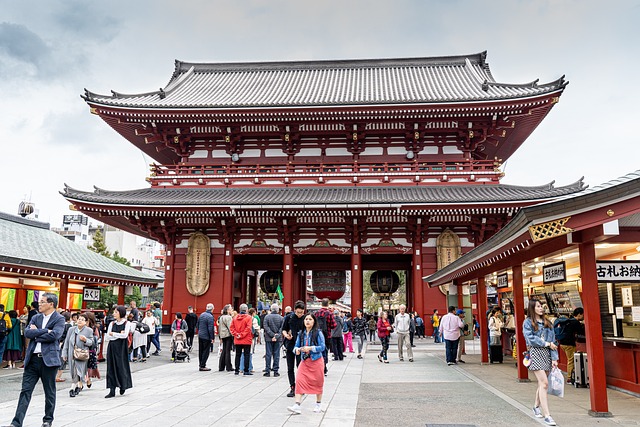
Sensō-ji Temple, also known as Asakusa Kannon Temple, is one of Tokyo’s oldest and most significant Buddhist temples. Located in the Asakusa district of Tokyo, Sensō-ji is a popular destination for tourists and pilgrims alike. Overall, Sensō-ji Temple is not only a significant religious site but also a cultural landmark that embodies Tokyo’s rich history and traditions. Its vibrant atmosphere, stunning architecture, and deep spiritual significance make it a must-visit destination for anyone exploring Tokyo.
History: According to legend, Sensō-ji was founded in 628 AD when two fishermen discovered a statue of the bodhisattva Kannon in the nearby Sumida River. The temple was subsequently built on the site to enshrine the statue, making it one of Tokyo’s oldest temples. Throughout its history, Sensō-ji has been destroyed several times by fire and rebuilt, with the current structures dating mostly from the post-war reconstruction period. Architecture: The main entrance to Sensō-ji is through the imposing Kaminarimon Gate, which features a large red lantern and statues of the Shinto gods Fujin and Raijin (the gods of wind and thunder). Beyond the gate is Nakamise-dori, a bustling shopping street lined with traditional stalls selling souvenirs, snacks, and crafts. The temple’s main hall, Hondo, houses the Kannon statue and is adorned with intricate carvings and decorations. Cultural Significance: Sensō-ji is dedicated to Kannon, the Buddhist goddess of mercy, and is a place of worship and pilgrimage for Buddhists. Visitors can participate in traditional rituals such as purifying themselves with incense smoke, making offerings, and receiving omikuji (fortunes). The temple also hosts various festivals throughout the year, including Sanja Matsuri in May, which is one of Tokyo’s largest and most famous festivals. Surrounding Area: In addition to the temple itself, the Asakusa area surrounding Sensō-ji is rich in history and culture. Nearby attractions include the Asakusa Shrine, Asakusa Culture and Tourism Center, and the Tokyo Skytree, offering panoramic views of the city. Asakusa is also known for its traditional entertainment district, with theaters, restaurants, and izakayas (Japanese pubs).
TSUKIJI MARKET
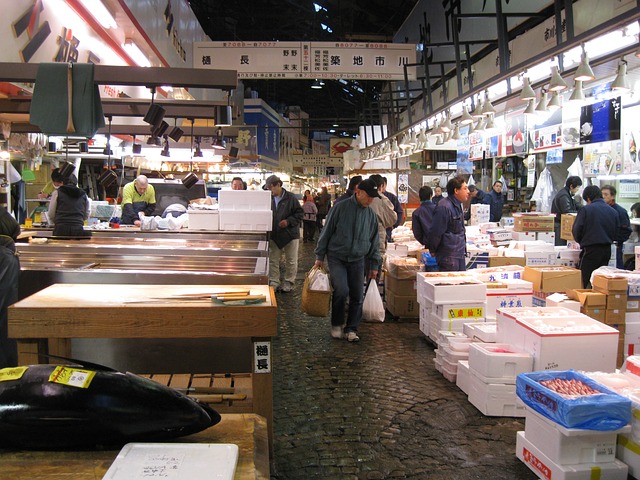
The Tsukiji Market was one of the most famous fish markets in the world, located in Tokyo, Japan. It was renowned for its bustling atmosphere, vast array of seafood, and early morning tuna auctions. However, in October 2018, Tsukiji Market ceased its operations at its original location and relocated to the Toyosu area, rebranding as Toyosu Market. While Tsukiji Market no longer exists in its original form, its legacy lives on in Toyosu Market, which continues to uphold the traditions of Japan’s fish market culture while embracing modernization and innovation.
History: Tsukiji Market traces its roots back to the late 19th century when Tokyo’s fish markets were consolidated into one location. The market grew over time to become the largest wholesale fish and seafood market in the world. Seafood Auctions: One of the main attractions of Tsukiji Market was the daily tuna auctions, where enormous bluefin tuna were sold to the highest bidders. These auctions often took place in the early hours of the morning and drew large crowds of spectators. Market Layout: Tsukiji Market was divided into two main sections: the inner market and the outer market. The inner market was where the wholesale auctions and transactions took place, while the outer market was a bustling area filled with shops, restaurants, and stalls selling a wide variety of fresh seafood, produce, and kitchenware. Sushi Restaurants: The outer market of Tsukiji was particularly popular among tourists for its numerous sushi restaurants and eateries. Visitors could enjoy some of the freshest and most delicious sushi and seafood dishes made from ingredients sourced directly from the market. Tourist Attraction: Tsukiji Market attracted visitors from around the world who were eager to experience its unique sights, sounds, and flavors. The market’s vibrant atmosphere, diverse selection of seafood, and culinary delights made it a must-visit destination for food enthusiasts and travelers exploring Tokyo. Relocation to Toyosu: Concerns over outdated facilities, sanitation issues, and the need for modernization prompted the relocation of Tsukiji Market to the Toyosu area. Toyosu Market, equipped with state-of-the-art facilities, officially opened in October 2018 and continues to serve as a hub for Tokyo’s seafood industry.
GHIBLI PARK
Ghibli Park was a highly anticipated theme park based on the beloved works of Studio Ghibli, the renowned Japanese animation film studio founded by Hayao Miyazaki and Isao Takahata. Ghibli Park is a park that represents the world of Studio Ghibli. With close consultation with the surrounding forest, it is being built on and within the grounds of Expo 2005 Aichi Commemorative Park (Moricoro Park). Concept: Take a stroll, feel the wind, and discover the wonders. Ghibli Park aims to bring the enchanting worlds of Studio Ghibli’s animated films to life, allowing visitors to step into the settings and stories of iconic films such as “My Neighbor Totoro,” “Spirited Away,” and “Princess Mononoke.” The park seeks to capture the magic, imagination, and attention to detail that characterize Studio Ghibli’s creations. Location: Ghibli Park is being developed in the Aichi Prefecture, specifically within the EXPO Park in Nagakute City. The park is situated on the site of the 2005 World Expo, which has since been transformed into a recreational and cultural area. Attractions: It is expected that visitors will encounter immersive experiences inspired by Studio Ghibli’s films. This includes themed areas, interactive exhibits and character encounters.
Opening Date: The development and construction of Ghibli Park was ongoing for several years, with the project initially announced in 2017. Originally slated for a 2022 opening, there were delays, and the park’s opening date was pushed back. It opened in phases. The Ghibli Park which is located within Expo 2005 Aichi Commemorative Park has five areas : Ghibli’s Grand Warehouse, Hill of Youth, Dondoko Forest, Mononoke Village, and Valley of Witches. The official website was opened on 01 FEB 2022. The customers, started entry based on the tickets, into this park from 16th August 2023. Ghibli’s Grand Warehouse is an indoor facility that stores all of the studio’s secrets, from large to small artifacts and exhibits from past Studio Ghibli movies. You will find from fantasy-filled exhibitions such as Robot Soldier, Cat Bus, and kid-sized film studio exhibitions, to materials and resources that reveal the secrets of Studio Ghibli films. On the Hill of Youth, there stands World Emporium, the antique shop from Whisper of the Heart. In Dondoko Forest, “Dondoko-do” awaits you at the top of the forest hill that sits behind Satsuki and Mei’s House. In Mononoke Village there is a hands-on learning center called Tatara-ba, as well as the Lord Okkoto slide and Demon Spirit structure. The newest area Valley of Witches, inspired by the worlds of Studio Ghibli’s witch-related films, opened on March 16th 2024. After March 16th (Sat), visitors to Ghibli’s Grand Warehouse will be able to see new exhibits. New exhibits include Gray Heron, Pelicans and Parakeet from The Boy and the Heron, Radish Spirit from Spirited Away as well as the new sculpture Wings of Invention.
Collaboration with Studio Ghibli: Ghibli Park is being developed in collaboration with Studio Ghibli, ensuring that the park stays true to the spirit and vision of the studio’s films. Hayao Miyazaki and other key figures from Studio Ghibli are reportedly involved in the park’s design and development process. Ghibli Park has generated significant anticipation and excitement among fans of Studio Ghibli’s films and theme park enthusiasts worldwide. The prospect of experiencing the enchanting worlds of Miyazaki’s films in a tangible, real-world setting has sparked widespread interest and enthusiasm. As Ghibli Park continues to progress towards its eventual opening, fans eagerly await the opportunity to explore and immerse themselves in the magical worlds of Studio Ghibli’s timeless classics. Ghibli Park O-Sanpo Day Pass goes on sale two months in advance, on the 10th April at 2 p.m. (Japan time). You can enter all five areas with this pass. You will have access to the cafés and restaurants, shops, play equipment and rides in all areas. (additional fees may be required). This pass will only have an assigned entrance time for Ghibli’s Grand Warehouse. You cannot go inside the following buildings: World Emporium (Hill of Youth), Satsuki and Mei’s House (Dondoko Forest), The Okino Residence, Howl’s Castle, The House of Witches (Valley of Witches).
TeamLab Planets
TeamLab Planets TOKYO DMM.com is an immersive digital art museum located in Tokyo, Japan. It is part of the TeamLab collective, known for its innovative and interactive digital artworks that combine art, technology, and nature to create immersive experiences. Concept: TeamLab Planets TOKYO DMM.com is designed as a space where visitors can explore and interact with digital artworks in a multisensory environment. The museum aims to break down the boundaries between artwork and observer, inviting visitors to become part of the art itself. Exhibitions: The museum features a series of immersive digital installations that span across various themed rooms and spaces. Visitors can walk through rooms filled with interactive projections, light displays, and soundscapes, experiencing art in a dynamic and engaging way. Interactive Experiences: TeamLab Planets TOKYO DMM.com offers a range of interactive experiences where visitors can touch, move, and even immerse themselves in the artwork. From walking through digital waterfalls to wading through virtual ponds, each installation encourages active participation and exploration. Nature and Technology: The museum often explores the relationship between nature and technology, incorporating elements such as water, light, and sound to create dynamic and lifelike environments. Visitors may encounter digital representations of natural phenomena, such as blooming flowers, swirling vortexes, and cascading waterfalls. Limited-Time Installations: TeamLab Planets TOKYO DMM.com periodically features limited-time installations and exhibitions, offering visitors new and exciting experiences with each visit. These installations may explore different themes or concepts, keeping the museum dynamic and ever-changing.
TOKYO SKYTREE
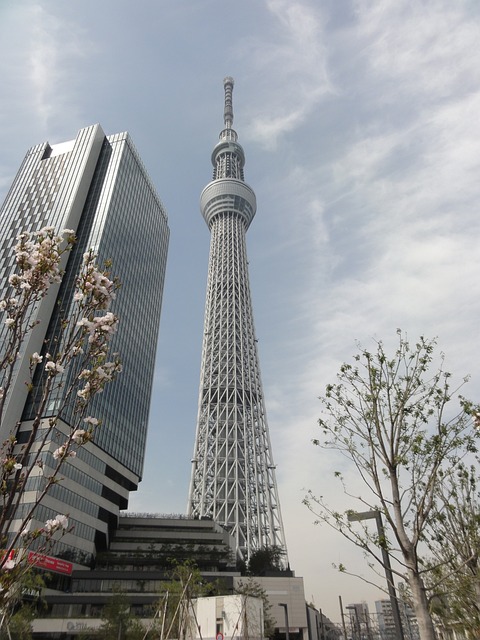
Tokyo Skytree is a broadcasting tower and observation tower located in Sumida, Tokyo, Japan. It stands as the tallest tower in Japan and the second-tallest structure in the world, surpassed only by the Burj Khalifa in Dubai. At a height of 634 meters (2,080 feet), Tokyo Skytree towers over the Tokyo skyline, offering panoramic views of the city and its surrounding areas. “Tokyo Skytree,” is one of Tokyo’s most iconic landmarks and a popular tourist attraction. Tokyo Skytree represents a significant achievement in engineering and architecture, providing essential broadcasting infrastructure while also serving as a prominent tourist destination and cultural landmark in Tokyo. Tokyo Skytree features a distinctive design characterized by its sleek, futuristic appearance and a lattice-like structure. It was designed by the architectural firm Nikken Sekkei and completed in 2012. Tokyo Skytree offers visitors an unforgettable experience with unparalleled views of Tokyo and the surrounding Kanto region, making it a must-visit destination for anyone exploring the Japanese capital.
History: The history of Tokyo Skytree begins with the need for a new broadcasting tower in Tokyo to improve digital terrestrial television and radio broadcast coverage. As Japan transitioned to digital television broadcasting, there was a demand for a taller tower in Tokyo to replace the aging Tokyo Tower, which had become inadequate for broadcasting due to its height and location amidst tall buildings. Planning for Tokyo Skytree began in the early 2000s, with the aim of constructing a taller, more robust tower that could accommodate broadcasting equipment and withstand earthquakes and other natural disasters. The architectural firm Nikken Sekkei was tasked with designing the tower, incorporating both functionality and aesthetics into its design. Construction of Tokyo Skytree commenced in 2008, with a groundbreaking ceremony held in July of that year. The tower was built using advanced engineering techniques and materials to ensure its stability and resilience. The construction process involved the assembly of steel and concrete components, including the tower’s distinctive lattice-like structure. Tokyo Skytree was completed in February 2012, with an official opening ceremony held on May 22, 2012. The tower was officially recognized as the tallest tower in the world and the second-tallest structure overall, surpassing the Canton Tower in Guangzhou, China.
Broadcasting and Observation Tower: In addition to serving as a broadcasting tower for television and radio signals, Tokyo Skytree was designed to incorporate observation decks and tourist facilities to attract visitors. The tower’s observation decks offer panoramic views of Tokyo and its surrounding areas, becoming a popular tourist destination in its own right. Since its opening, Tokyo Skytree has become an iconic symbol of Tokyo and a landmark attraction for both locals and tourists. Its sleek design, impressive height, and stunning nighttime illumination have made it a recognizable feature of the Tokyo skyline. The tower boasts two observation decks that offer breathtaking views of Tokyo and its landmarks. The Tembo Deck, located at 350 meters above ground, provides 360-degree views through large glass windows and a glass floor section. The higher Tembo Galleria, at 450 meters, offers an even more expansive view and features a spiral ramp that gradually ascends to the top.
Attractions: In addition to its observation decks, Tokyo Skytree houses various attractions, including shops, restaurants, and entertainment facilities. Visitors can explore the Solamachi shopping complex at the base of the tower, which features a wide range of stores, eateries, and souvenir shops.
Lighting: Tokyo Skytree is illuminated with LED lighting systems that create stunning light displays in the evening. The tower’s lighting changes seasonally and for special occasions, making it a dazzling spectacle against the Tokyo night sky.
Cultural Significance: Tokyo Skytree serves as a symbol of Tokyo’s modernity and innovation, as well as a popular tourist destination and observation point for visitors from around the world.
Accessibility: Tokyo Skytree is easily accessible via public transportation, with Oshiage Station located directly beneath the tower. Visitors can reach the observation decks via high-speed elevators that whisk them to the top in just seconds.
TOKYO TOWER
Tokyo Tower is a prominent landmark and iconic symbol of Tokyo, Japan. Tokyo Tower was constructed to serve as a broadcasting tower for television and radio signals in Tokyo. At the time of its completion, it was the tallest structure in Japan and the tallest self-supporting steel tower in the world. Tokyo Tower holds significant cultural, architectural, and historical importance as a landmark of Tokyo and a symbol of Japan’s post-war economic resurgence. It continues to attract visitors from around the world who come to admire its beauty and enjoy panoramic views of the vibrant city below.
Construction of Tokyo Tower began in 1957 and was completed in 1958. The tower was designed by the renowned Japanese architect Tachū Naitō, who drew inspiration from the Eiffel Tower in Paris. Tokyo Tower’s distinctive orange and white color scheme was chosen to comply with air safety regulations and to ensure visibility. Tokyo Tower stands at a height of 333 meters (1,093 feet), making it one of the tallest structures in Tokyo. Its design features a lattice-like steel framework and two observation decks: the Main Deck at 150 meters (492 feet) and the Top Deck at 250 meters (820 feet). The Top Deck offers panoramic views of Tokyo and its surrounding areas.
Tokyo Tower serves as a major broadcasting tower for television and radio signals, transmitting signals for numerous television and radio stations across Tokyo and the Kanto region. Its strategic location in the center of Tokyo ensures widespread coverage. In addition to its broadcasting functions, Tokyo Tower has become a popular tourist attraction and observation point for visitors to Tokyo. The observation decks offer stunning views of the city skyline, including landmarks such as the Tokyo Skytree, Mount Fuji (on clear days), and the Tokyo Bay area. Tokyo Tower is not only a functional structure but also a cultural icon and symbol of Tokyo. Its striking silhouette and vibrant nighttime illumination have made it a recognizable feature of the Tokyo skyline and a beloved symbol of the city. Tokyo Tower is often used as a venue for special events, celebrations, and seasonal illuminations. It is particularly popular during New Year’s Eve, when crowds gather to watch the tower’s annual countdown and fireworks display.
SHIBUYA CROSSING, SHIBUYA SKY, HACHIKO
Shibuya Crossing, often referred to as the “Scramble Crossing,” is one of Tokyo’s most iconic and busiest pedestrian intersections. Shibuya Crossing is located in the bustling Shibuya district of Tokyo, near Shibuya Station, one of the busiest train stations in Japan. It is surrounded by shopping malls, department stores, restaurants, and entertainment venues, making it a popular destination for locals and tourists alike. Shibuya Crossing is unique for its diagonal pedestrian crossings, which allow people to cross the intersection in multiple directions simultaneously. When the traffic lights turn red, pedestrians flood into the intersection from all sides, creating a mesmerizing spectacle of movement and activity. Shibuya Crossing is often touted as the busiest pedestrian crossing in the world, with thousands of people crossing each time the lights change. The sheer volume of foot traffic and the organized chaos of the crossing have made it a symbol of Tokyo’s energy and dynamism. The surrounding buildings offer elevated vantage points from which visitors can observe and photograph the spectacle of Shibuya Crossing from above. Popular spots for viewing include the Starbucks located on the second floor of the Tsutaya building and the Shibuya Hikarie building. Shibuya Crossing has been featured in numerous films, television shows, and advertisements, both domestically and internationally. Its vibrant atmosphere and iconic imagery have made it a symbol of Tokyo and a must-visit destination for tourists seeking a taste of urban life in Japan. In addition to the crossing itself, Shibuya is known for its vibrant shopping and entertainment scene. Visitors can explore Shibuya’s famous shopping streets, including Center Gai and Takeshita Street, and discover a wide range of shops, cafes, bars, and nightlife venues. Shibuya Crossing is a popular meeting spot for locals and tourists due to its central location and easy accessibility. It serves as a convenient rendezvous point for friends, colleagues, and groups before heading out to explore Shibuya and beyond. Shibuya Crossing is not only a functional pedestrian intersection but also a cultural landmark and tourist attraction that embodies the energy and excitement of Tokyo’s urban landscape.
Kinokuniya, yodobashi-akiba
The largest bookstore chain in Japan is often considered to be Kinokuniya. With numerous branches throughout the country, including major cities like Tokyo, Osaka, and Kyoto, Kinokuniya offers an extensive selection of books across various genres, including literature, non-fiction, manga, and more. Their flagship store, located in Tokyo’s Shinjuku district, is particularly famous for its vast collection and spacious layout, making it a popular destination for book lovers and tourists alike. Additionally, other notable bookstore chains in Japan include Tsutaya and Maruzen & Junkudo, which also offer a wide range of books and related products across their multiple locations
Yen
The official currency of Japan is the Japanese yen, abbreviated as JPY or simply ¥. Denominations: The yen is subdivided into smaller units, with coins available in denominations of ¥1, ¥5, ¥10, ¥50, ¥100, and ¥500. Banknotes come in denominations of ¥1,000, ¥2,000, ¥5,000, and ¥10,000. Symbols: The symbol for the yen is ¥. It is written after the numerical value, similar to the placement of the dollar sign ($). For example, ¥1,000 would be read as “one thousand yen.” Japanese banknotes feature notable figures from Japanese history, culture, and literature, as well as iconic landmarks and natural scenery. The design of banknotes is periodically updated to incorporate new security features and refresh the appearance of the currency. The exchange rate of the Japanese yen fluctuates in the foreign exchange market based on various factors such as economic conditions, monetary policy, and geopolitical events. It is commonly traded against other major currencies such as the US dollar (USD), Euro (EUR), and British pound (GBP). The yen is widely accepted for transactions within Japan, and it is the only legal tender for purchasing goods and services in the country. While some businesses may accept foreign currencies in tourist areas, it is generally advisable to use yen for transactions to avoid unfavorable exchange rates and additional fees. Visitors to Japan can exchange their foreign currency for yen at banks, currency exchange offices, and certain hotels and airports. Additionally, ATMs are widely available throughout Japan, and many accept foreign debit and credit cards, allowing travelers to withdraw yen directly from their accounts. Cash is still widely used for transactions in Japan, and it is advisable to carry a sufficient amount of yen when traveling, especially in rural areas or when visiting smaller establishments where credit cards may not be accepted. Coins are commonly used for small purchases, while banknotes are used for larger transactions. The Japanese yen is a stable and widely used currency that facilitates economic transactions within Japan and serves as a medium of exchange for international travelers visiting the country.
- https://japanrailpass.net/
- https://www.klook.com/rails-32/1012-japan/?aid=29280&utm_term=
- https://www.jrpass.com/farecalculator?trans=transaction_id&offer_id=offer_id
- https://www.klook.com/en-US/activity/1420-7-day-whole-japan-rail-pass-jr-pass/?
- https://www.klook.com/en-US/tetris/promo/cherryblossom/?
- https://www.youtube.com/watch?v=WsoOBun2X_o&list=PLaTfVBw5xI8Izt_evTNNgpK-Q9Nv2fQQs&index=2
- https://www.youtube.com/watch?v=L6XSbdRsfN8&list=PLaTfVBw5xI8Izt_evTNNgpK-Q9Nv2fQQs&index=3
- https://youtu.be/sRZ1O7ApYPw